Heavy oil drilling presents unique challenges for solids control. The viscous nature of the formation fluids, combined with high concentrations of fine solids, places exceptional demands on surface equipment. Unlike conventional drilling, where low-viscosity mud systems allow for rapid solids settling, heavy oil operations require robust separation equipment capable of handling thick, abrasive slurries without sacrificing throughput or efficiency.
To evaluate performance under these demanding conditions, a field test was conducted on high-capacity Mud Shale Shaker deployed in a heavy oil drilling operation. The objective was to assess separation efficiency, screen life, and overall reliability in continuous high-viscosity service.
Test Setup and Conditions
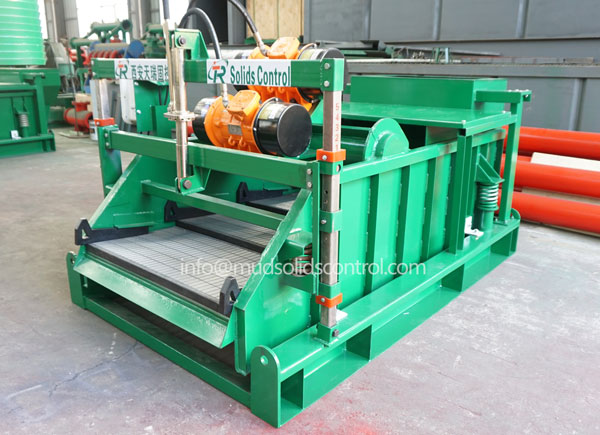
The test took place on a well in a heavy oil field known for unconsolidated formations and high fines content. The rig was circulating oil-based mud with a viscosity averaging 55 to 65 seconds per quart. The shaker selected for evaluation was a high-capacity unit equipped with dual-motor vibratory mechanism capable of delivering variable G-force up to 8.0 Gs.
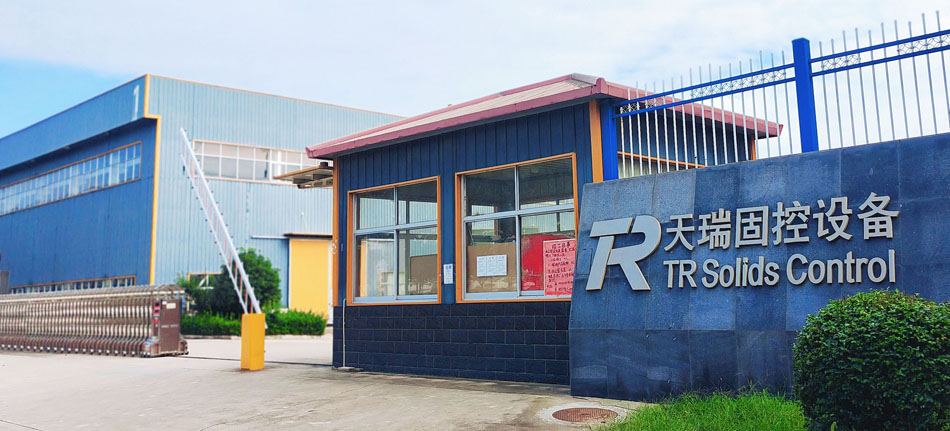
The existing solids control system had been struggling with screen blinding and frequent bypass. Prior to the test, the rig crew replaced the existing equipment with the new Mud Shale Shaker supplied by TR Solids Control, a recognized supplier specializing in high-performance separation equipment. The unit was fitted with fine-mesh screens rated at API 140 and 200, targeting the removal of ultrafine solids that had been accumulating in the system.
Performance Observations
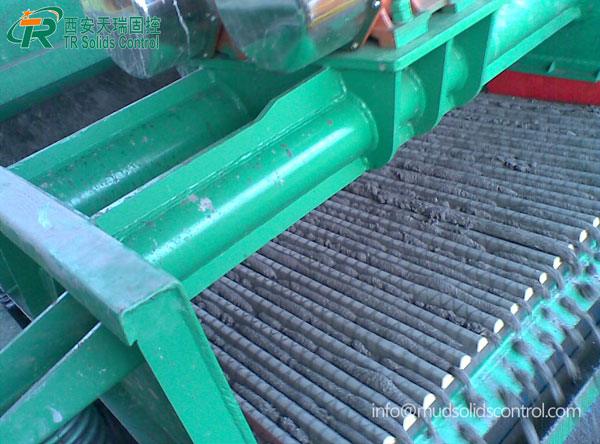
Over a 14-day continuous drilling interval, the Mud Shale Shaker demonstrated significant performance improvements. The most notable difference was in handling capacity. Despite the high viscosity of the drilling fluid, the unit maintained consistent fluid throughput without overflowing or experiencing screen blinding—a common failure point in heavy oil applications.
The variable G-force capability allowed operators to adjust vibration intensity based on real-time conditions. When drilling through intervals with higher clay content, operators increased the G-force to promote better solids conveyance. During normal drilling, the G-force was reduced to extend screen life. This flexibility proved essential in maintaining efficient solids removal without excessive wear.
Screen life also showed marked improvement. Prior to the test, the operation had been replacing screens every three to four days due to blinding and mechanical fatigue. With the new shaker, screen life extended to an average of 12 days, reducing downtime and consumable costs substantially. The improved screening efficiency also led to a measurable reduction in dilution requirements—the mud engineer reported a 22 percent decrease in fresh mud additions compared to previous wells in the same field.
The Role of a Reliable Supplier
A key factor in the success of this field test was the availability of technical support and quality components. TR Solids Control, as the supplier of the equipment, provided on-site startup assistance and training for the rig crew. This ensured that the Mud Shale Shaker was configured correctly from the outset and that operators understood how to optimize settings for heavy oil conditions.
Having a reliable supplier based in China also offered logistical advantages. Replacement screens and spare parts were readily available from regional inventory, minimizing lead times and eliminating the delays often associated with sourcing from distant manufacturers. The combination of advanced equipment and responsive local support proved critical to maintaining continuous operation throughout the test interval.
The field test confirmed that high-capacity Mud Shale Shaker technology, when properly applied, can overcome the unique challenges of heavy oil drilling. Improved solids removal, extended screen life, and reduced dilution costs translated directly into operational savings. For drilling contractors and operators seeking to optimize solids control in challenging environments, partnering with an experienced supplier like TR Solids Control—a trusted name in China for high-quality separation equipment—provides a clear path to improved performance and reduced operating costs.